
Green product or white pollution source? Lift the ban or continue the ban? An issue that has haunted disposable tableware for more than a decade has recently sparked debate. What sparked the rhetoric is that the recent discussion of foam containers has peaked again as Earth Day approaches. Some people found that foam containers emit black smoke after being burned, so some people firmly believe that foam containers are poisonous and should not be used anymore.
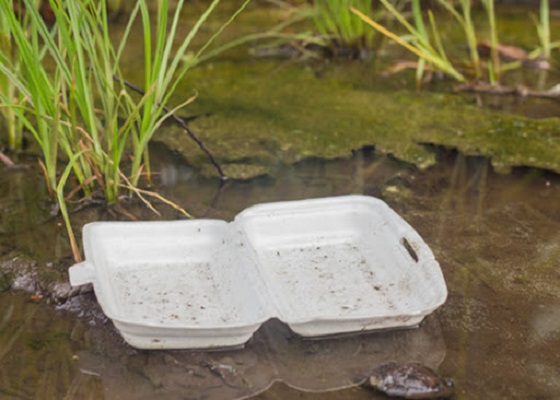
Foam containers are mainly made of polystyrene, which has the characteristics of lightweight, heat preservation, oil resistance, water resistance, and low price. According to incomplete statistics, in China alone, the sales volume of foam containers exceeded 10 billion ten years ago. Several years ago, foam containers were banned, but now the spread of this global epidemic has caused people’s living habits to be greatly affected. For example, since the outbreak of the epidemic, many people have reduced the frequency of going to the vegetable market, and instead online purchases of fresh products. Nowadays, the take-out is good and cheap and can be home delivered. Everyone has become accustomed to this way of purchasing. But in addition to many plastic bags, a large amount of fresh food will be packed in foam containers, which is a certain psychological burden for buyers.

The huge increase in business has brought more benefits to many merchants and online shopping platforms, but at the same time, the popularity of foam containers has also brought trouble to recyclers and urban waste treatment centers. The price of plastic recycling itself is low. As a low-value-added recyclable, it is difficult for foam containers to enter the recycling channel of renewable resources. At present, many foam containers are mixed with municipal solid waste, enter the waste treatment system, and are treated as ordinary waste for incineration. To fundamentally solve the pollution problem caused by incineration, professional recycling must be strengthened.
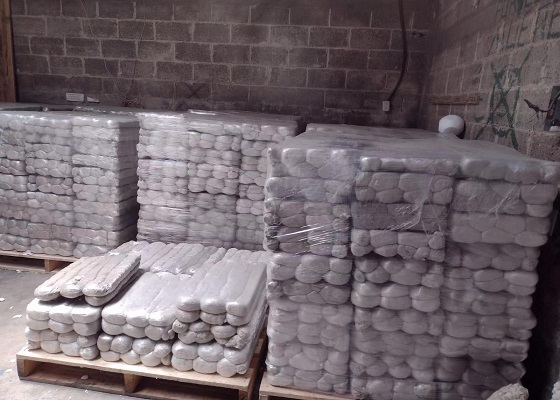
In fact, foam containers can be recycled. Products like EPS foam boxes, XPS boards, etc. are all recyclable. There are already specialized machines and recyclers willing to accept these foam wastes and recycle them into new plastic products. For example, INTCO Recycling has rich experience in foam containers recycling. Foam containers can be turned into ingots after being processed by GREENMAX foam recycling machines, and then sold to INTCO Recycling for processing into various frame products. Waste foam containers are definitely not facing the fate of being eliminated, but a sustainable development path.