
Expanded polystyrene (EPS) foam is widely used in packaging, electronics, construction, home appliances, and food service because of its lightweight structure and excellent protective performance. As EPS consumption continues to grow, foam recyclers and manufacturers are handling increasing volumes of production scrap and post-consumer EPS waste. Since EPS consists of approximately 98% air, storing and transporting loose foam is inefficient and expensive. This is why investing in an EPS foam recycling machine has become an effective solution for businesses seeking to improve recycling efficiency and reduce operating costs.
For foam recyclers, bulky EPS waste presents significant logistical challenges. Large quantities of loose foam occupy valuable warehouse space and require frequent transportation, leading to higher labor and disposal costs. An EPS foam recycling machine compresses loose EPS into dense blocks, making the material easier to store, transport, and sell. By reducing foam volume before shipment, recyclers can process more material while lowering overall handling expenses.
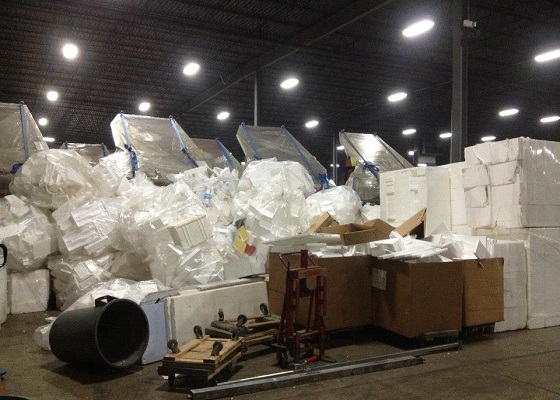
EPS producers also benefit from on-site recycling equipment. During manufacturing, offcuts, rejected products, and packaging waste are generated every day. Instead of sending these materials to landfill, producers can recycle them immediately using an EPS foam compactor or EPS foam densifier. The compressed EPS blocks can then be sold to recycling companies or reprocessed into recycled polystyrene pellets, creating additional value while supporting sustainable manufacturing practices.
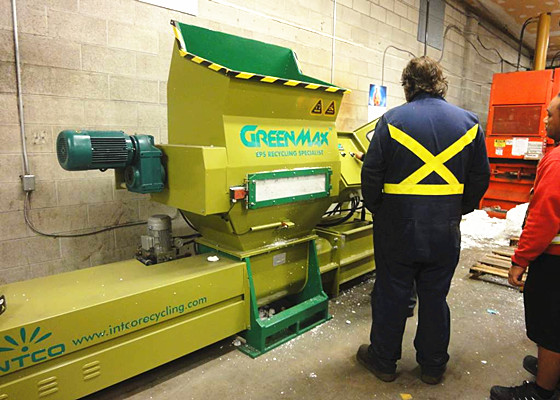
GREENMAX offers professional EPS foam recycling machines designed for both foam recyclers and EPS producers. Depending on different recycling requirements, businesses can choose a foam compactor for cold compression or a foam densifier for higher-density output. GREENMAX machines can reduce the volume of EPS waste by up to 50:1 or even 90:1, significantly improving storage efficiency, reducing transportation costs, and simplifying the recycling process.
One packaging manufacturer that generated large quantities of EPS waste installed a GREENMAX EPS foam compactor to recycle foam directly on-site. After the machine was put into operation, the company dramatically reduced the storage space required for loose foam and optimized transportation by shipping compact EPS blocks instead of bulky waste. The recycled material was then processed into reusable plastic raw materials, helping the company lower disposal costs while improving its overall recycling performance.

As sustainability regulations become stricter and recycling markets continue to expand, investing in an EPS foam recycling machine is becoming a strategic decision rather than simply a waste management upgrade. Whether you are an EPS producer, packaging manufacturer, warehouse operator, or professional foam recycler, GREENMAX recycling equipment helps transform low-value foam waste into valuable recyclable resources, delivering both environmental and economic benefits.
FAQ
1. What are the benefits of using a GREENMAX EPS foam recycling machine?
GREENMAX EPS foam recycling machines help businesses reduce storage space, lower transportation and disposal costs, improve recycling efficiency, recover value from waste EPS, and support long-term sustainability goals.
2. Who should use an EPS foam recycling machine?
EPS foam recycling machines are ideal for foam recyclers, EPS manufacturers, packaging companies, warehouses, distribution centers, electronics manufacturers, appliance producers, and any business that generates large volumes of EPS foam waste.
3.What is the difference between an EPS foam compactor and an EPS foam densifier?
An EPS foam compactor uses cold compression to reduce foam volume, while an EPS foam densifier uses screw extrusion to produce denser EPS blocks with a higher compression ratio. The best choice depends on the volume of foam waste and transportation requirements.