
Many restaurants that use foam are considered small businesses. They rely on the convenience of foam food packaging, thermal insulation, and high hygiene level to provide customers with quality food. From an economic point of view, foam is usually the most cost-effective option for small business owners.
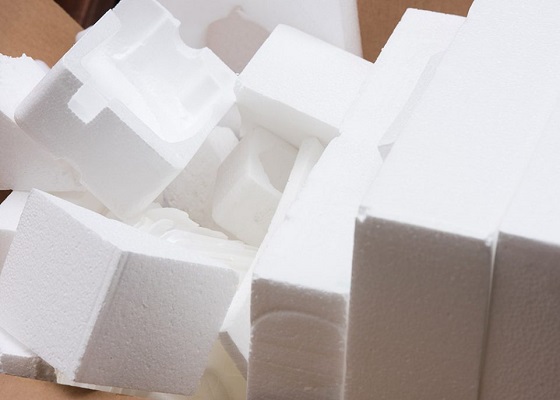
The foam ban has had a serious impact on the catering industry. Many restaurants have very low-profit margins. Foam products help reduce the cost for restaurant owners and their customers. The foam ban forced them to replace their effective foam products with expensive alternatives, which is disastrous for them.
The foam industry provides thousands of jobs a year and saves millions of dollars for schools, businesses, government agencies, and consumers. It can be said that the prohibition of foam is for the sake of the economic environment.
The developed countries may be able to sustain these economic losses, but for some developing countries like Malaysia, China’s foam regeneration is more appropriate than the foam ban.

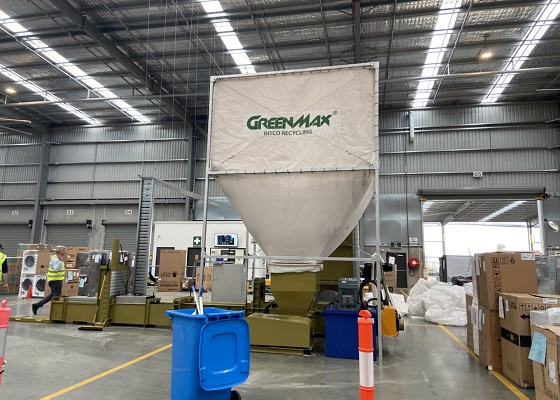
The foam recycling project only needs a foam densifier. After putting the foam waste into the hopper of the recycling machine, the built-in cutting machine first smashed it into foam, then extruded the air content in the foam by a hot melt screw, and finally produced a compressed foam spindle ratio of 90:1.