
Do you know that it will take five hundred years, even more for EPS waste to decompose? EPS, as a kind of plastic foam, is always made into packaging, containers, boxes, cups, or to-go boxes. Among these EPS products, the packaging is most frequently to be seen in people’s daily lives. Whether you buy something on the website or choose door-by-door service for some furniture, you will get a lot of EPS packaging together with something you buy.

For a long time, EPS is identified that cannot be recycled and the only destination for it is a garbage bin. And then, EPS will be buried in the landfill. Do you know that according to research data, about 30% of the world’s landfills are made up of EPS? And in U.S. landfills alone, approximately 1,369 tons of the material are buried there every day.
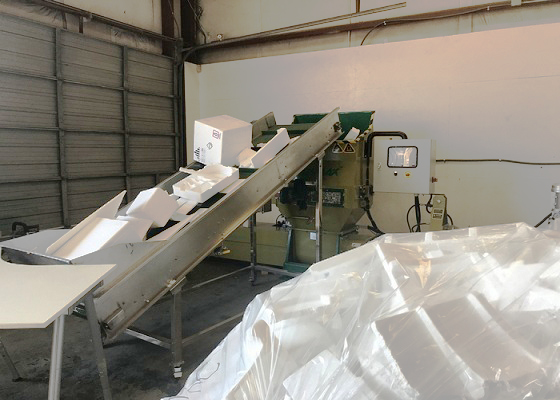
Long Hill government realizes that it’s not a lasting way to deal with EPS. They want to do something to change this situation. The idea of EPS recycling has opened their mind. So, on Friday, October 14, an EPS recycling machine was installed at the expense of the Department of Public Works. Why does an EPS recycling machine become the choice of the Long Hill government?

Different from the traditional view, EPS waste is actually recyclable. Through the steps of collecting, cutting, and compressing, EPS will be processed into the block or ingot that isn’t the finished product. However, it has a very high resale value and is used to make new products. Some recycling companies such as INTCO Recycling will buy it back to make frame products.
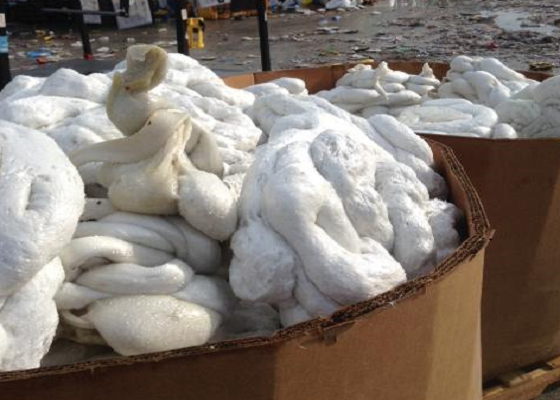
This EPS recycling machine means Long Hill city will run this EPS recycling project for the long term. Long Hill also accepts EPS waste from other nearby cities. “The more we get, the more we process, the more we sell, the faster we pay it off.” EPS is a highly used material, from coffee cups to EPS coolers for hospitals and veterinary offices. What we should recycle is EPS, not throw it away.