
Going “green” is one of the popular trends in recent years. We are trying to doing this from home to the work places.
“Go green” is a widely used term that may mean something different to everyone. AmCham small business countries define green as simply taking measures to “save energy, reduce pollution and save money.” Simple steps to green don’t necessarily mean skipping the shower, selling your car, and never going to the grocery store.
Going green essentially means being environmentally friendly. Reducing pollution is yet another simple strategy that can make a huge difference. Recycling is a key component of reducing pollution. Materials like EPS can be recycled rather than thrown out or end up in landfills.
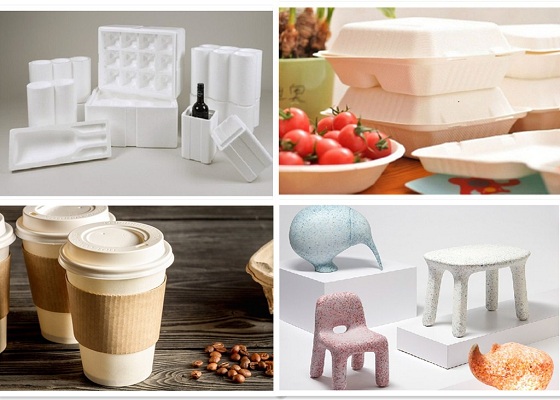
You are probably never know that your furniture and electrical packaging, single-used food containers, decoration moldings and even your morning coffee cups are all made of EPS, one of the most common plastic types.
However, according to investigation, an average of 2.3 million tons of EPS foam is filled in landfills each year in the United States. That is less than 7 percent of the nearly 33.54 million tons of plastic Americans discard annually.
With the applications of EPS products more and more widely, the difficulties for EPS disposal has become a big problem, such a large amount of EPS waste should be recycled in an efficient way.
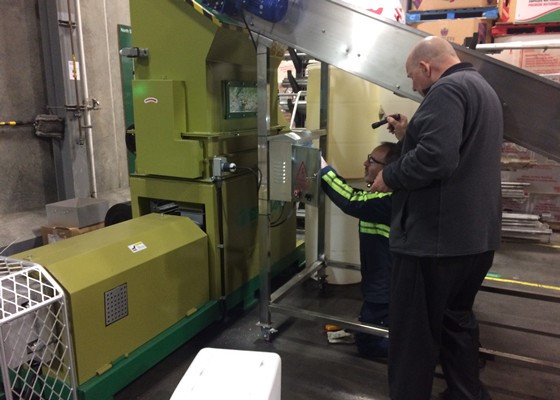
I have learned the story of EPS disposal of SAFEWAY, one of the top four retail giants in the United States. In 2017, the team of Safeway in Auburn WA found GREENMAX and finally adopted a GREENMAX M-C200 EPS melting machine with Conveyor, which can densify the loose EPS into dense ingots with the ratio of 90:1. The manager said that GREENMAX offered a better solution for EPS recycling.
If there are more EPS recycling companies can adopt such machines, we will be closer to the green world.