
The Georgia office of sustainability has recycled 32% of the university’s waste so far in 2018 and helped the university save more than $21,437.
The good news is that, starting this fall, Georgia’s student sustainability fee has been raised from $3 to $5. So where exactly is the money going? What new projects will it bring us?
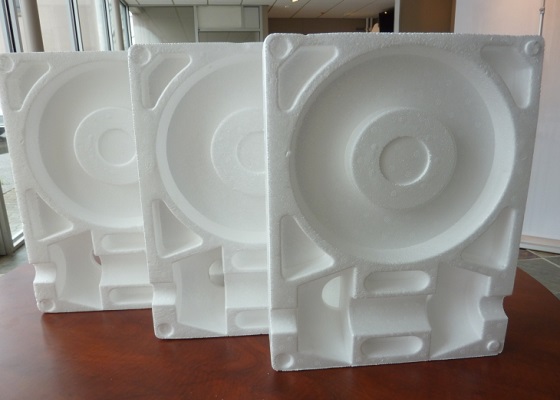
The project is dedicated to waste recycling at school and in the surrounding areas. During the course of the study, students discovered a large amount of EPS foam and passed the waste audit started by project manager Jenni Asman in the fall of 2017. EPS recycling is proved to be profitable.
“It’s about 30 percent,” Mr. Assman said. “We have found a machine that called EPS densifier in the stadium at the recycling center. It takes EPS foam, crushes it and melts it to about one-ninetieth of its original size.”
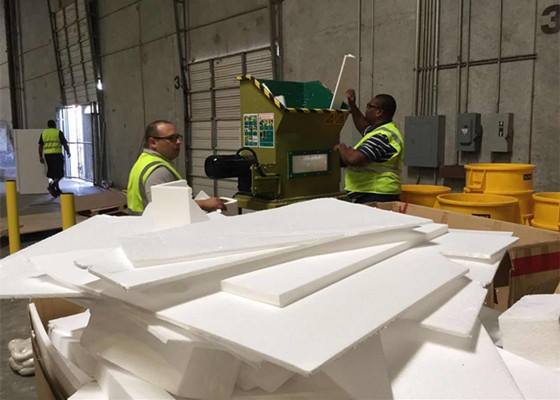
Georgia is one of the three universities in the country that owns an EPS densifier. The densification process is possible because EPS foam is made mostly of air, about 95%, and the machine is designed to squeeze air out of loose EPS foam to reduce its volume, making it easy to store and transport.
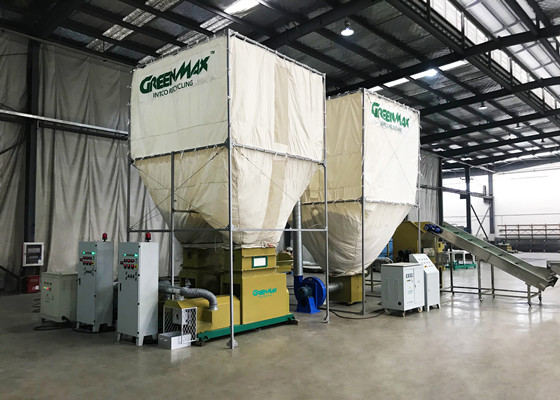
You can find such an effective EPS recycling machine from GREENMAX, the company not only offers high -efficient EPS densifier, but also has the cold compressing machine like EPS screw compactor, which can reduce the foam volume at a ratio of 50:1 with no smell, no pollution and safety operation. The big trucks of EPS foam will be small as ingots once it is densified, and saves much transportation costs.
Jennifer Duenas, one of the project’s student interns, said the experience taught her a lot about sustainability and a lot about Georgia state’s campus.