
In the past 70 years, humans have produced nearly 10 billion tons of EPS, and 80% have come and floated in the sea, landfilled, and broken down into micro-EPS into the bio-chain. The crisis of EPS pollution is getting worse and people are making action.
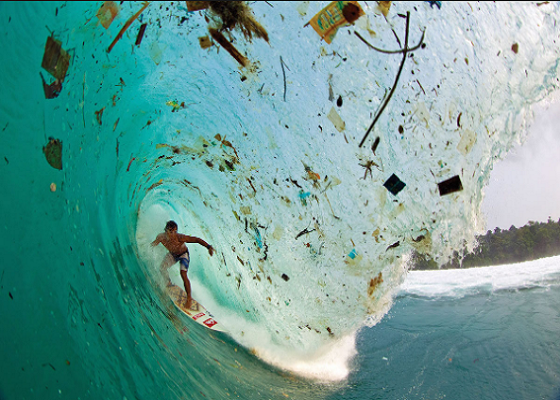
In the Pacific, there is a patch called garbage patch, which brings together millions of tons of garbage that people have dumped into the ocean for many years, including 60% of EPS waste, including EPS boxes, broken insulation boards, packaging and other items. Beaches, rivers and streams flow into the ocean.
In fact, EPS is recyclable, a simple little knowledge that turns resources into junk. Because of its light weight, EPS has 98% air, which is too bulky to store. Instead of paying a large amount of storage or transportation fees, throwing into the sea seems to be more cost-effective, but people are paying for this choice.
Expanded EPS can be reduced in volume by a high magnification of 90:1 through the GREENMAX EPS densifier machine, saving a lot of storage and transportation costs and entering the recycling field with high efficiency.
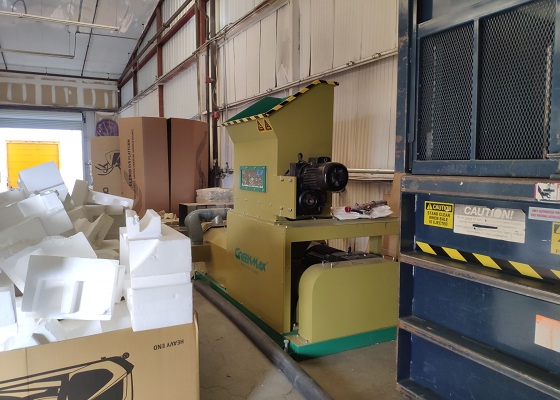
Recycled EPS can regain life in other areas. Recycled EPS can be made into EPS particles. Particles are in great demand in the frame industry, insulation board and other industries. Once the garbage can be used again in a new way. Therefore, recycling EPS is also a new economic model.
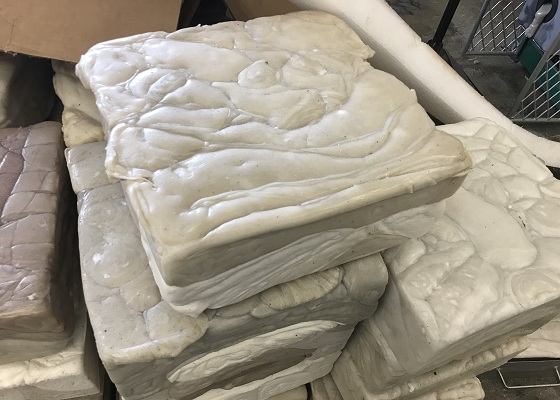
Instead of throwing discarded EPS into the sea, it is better to throw it into the recycling machine hopper to make a pollution for the human village.