
One of the biggest environmental impacts of opening protected areas, including forests and national parks, to visitors is the amount of rubbish left by them, 80% of which are EPS trash. Over time, it begins to accumulate and then slowly destroys the entire ecosystem around it. To make matters worse, some wild animals gradually feed on the trash.
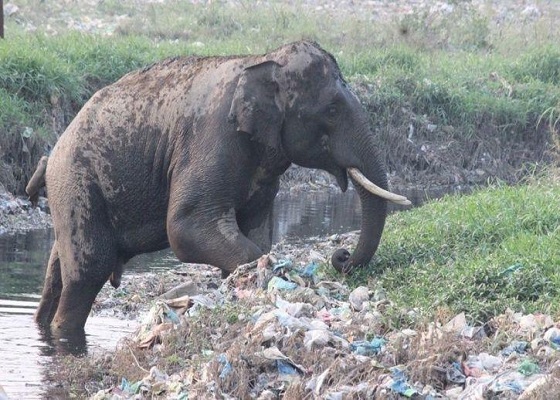
In recent years, people have found traces of the trash at the highest peaks, deepest trenches, no man’s land, etc. This indicates that EPS pollution has spread throughout the earth and has become a serious global problem. Whether it is for wildlife, marine animals, or for human beings, we all need to pay serious attention to this issue.
EPS products can be seen everywhere in people’s daily lives, such as fast food boxes and packaging of goods. A country’s annual production of the trash is uncalculated, but the current development of the US recycling industry is disappointing, with only four states nationwide clearly specifying the ability to recycle the trash, including California. If it is in California, the recycling process is completed for people who throw the EPS trash into the blue recyclable bin on the side of the road, but for the sake of the trash, the recycling process has just begun.
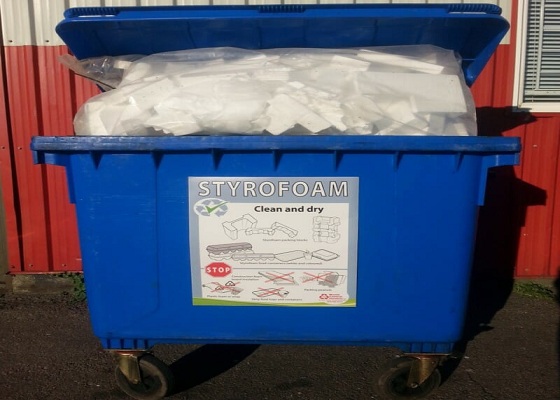
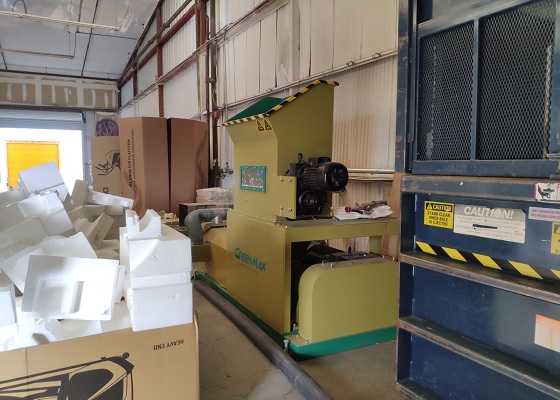
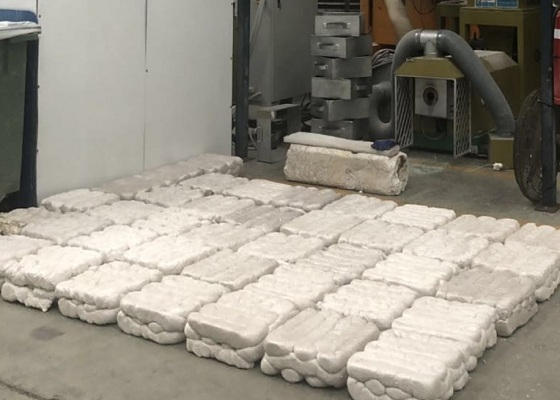
After collecting the EPS trash at the City Hall, it will be sent to a professional plastic recycler for recycling. These recyclers use a professional plastic recycling machine like the EPS densifier M-C200. After the recovery vehicle’s SD trash, it will be squeezed out of the contained air and converted into a high-density EPS ingot. This kind of ingot is not only convenient for storage and transportation, but the biggest advantage is that it can be sold.
Recyclers are not charities, and the profitable EPS ingot after recycling is the main reason why recyclers choose to recycle them. In some end markets, EPS ingot can be used as raw materials for products, such as photo frames, park benches, hangers, etc.
The degree of importance of EPS recycling is directly proportional to the amount of recycling. The more attention is paid to recycling, the more the reduction of the trash can enter the environment and protect the survival of wild animals.