
This July saw millions of people get involved in Plastic Free July. Plastic Free July is a global movement that encourages people to be part of the solution to plastic pollution – so we can have cleaner streets, oceans, and beautiful communities.
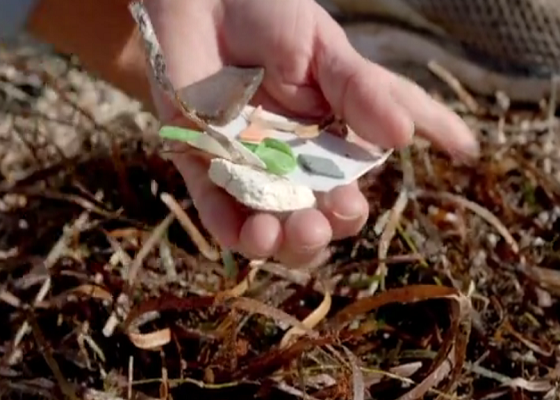
Marine EPS pollution survey
Countries around the world cooperate to apply scientific methods to reduce the amount of EPS waste entering the ocean. To date, the besttebiz say there are around 6-12 million metric tonnes of plastic going into the oceans each year.
What can we do?
EPS pollution is alleviated. One of the effective methods is to ban, and the second is to recycle. The banned method can effectively prevent some EPS products from entering the ocean, but it is difficult to prohibit several EPS products that are highly dependent on people, such as fish boxes. At this time, recycling is required.
EPS is almost 100% recyclable, and recycling technology has long existed. The disadvantage of being difficult to promote is the cost of recycling. Because of its characteristics, EPS has 98% air content, which increases the storage and transportation costs in the recycling process.
But this is not something that cannot be solved. A recycling company in California, as an EPS recycling specialist, has developed machines specifically for EPS recycling. According to the way the machine works, it is divided into three series, the most classic of which is the A-C200. This is an EPS Compactor that perfectly squeezes the air in the EPS through screw technology to produce a high-density EPS block.
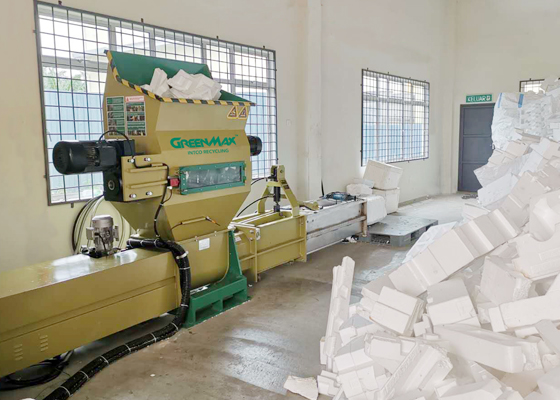
This EPS block can be purchased by the manufacturing end market such as wood-like materials and photo frames. It can be said that the EPS block is a new product. INTCO’s recycling machines are able to profit from EPS recycling, and on the other hand, to recycle more EPS to reduce waste into the environment.
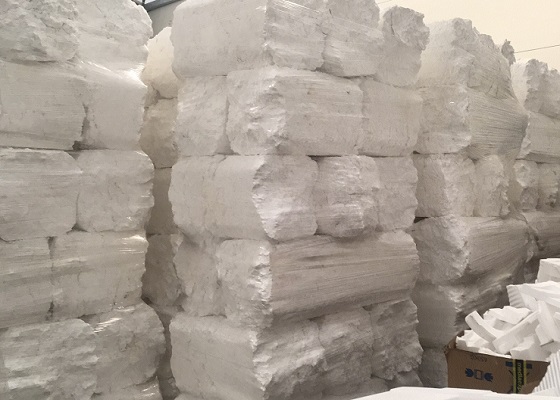
We try to reduce the output of EPS waste as much as possible, and the natural environment has more possibilities to recover.