
At a refuse transfer station in California, workers are working hard. They break the plastic EPS foam board into small pieces, plug them into the plastic EPS foam box, and then fold the small plastic EPS foam boxes into the big boxes. In fact, this plastic EPS foam is not without any place, and the acquisition station is still accepted. The problem is that no one is willing to send it to the past.
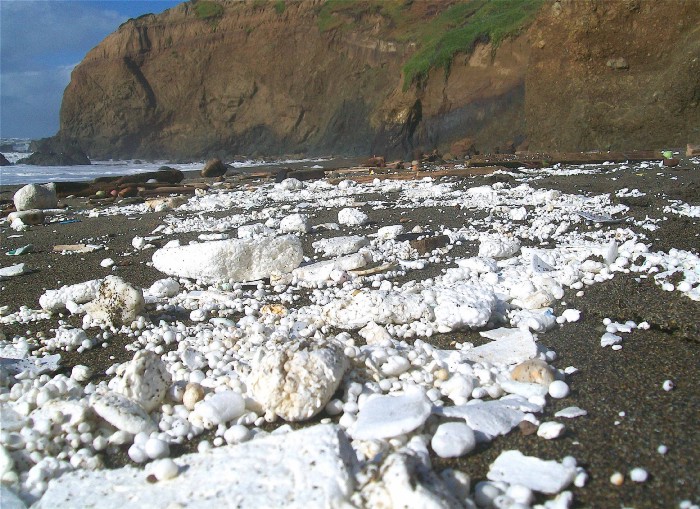
“Cardboard and metal are now rare among recyclables.” A worker said that because the recycling of recyclable materials is based on weight, the large plastic EPS foam on his hand is only a few kilograms. If it is changed into cardboard, it will be hundreds of kilograms, and the price of recovery will be nearly 10 times. So no one wants to recycle this cheap material.
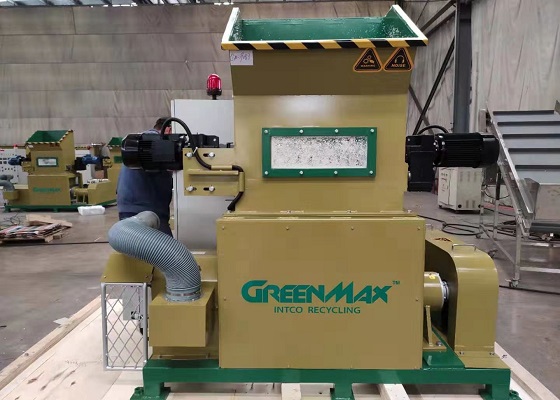
In the community, an individual waste collector is busy taking the paper boxes from the merchants. The merchant finally handed out a large stack of plastic EPS foam boards, which the recycling collector told reporters that the plastic EPS foam boards could not earn money, but “friendship” took them away. I told merchants to help them deal with plastic EPS foam, and they were willing to give valuable paper, cans, plastic bottles to me.
In fact, the status of the EPS foam has gradually increased, because more and more people are aware of the business opportunities of EPS foam recycling. In many places, there are professional recycling companies for EPS foam recovery with the help of a EPS densifier.
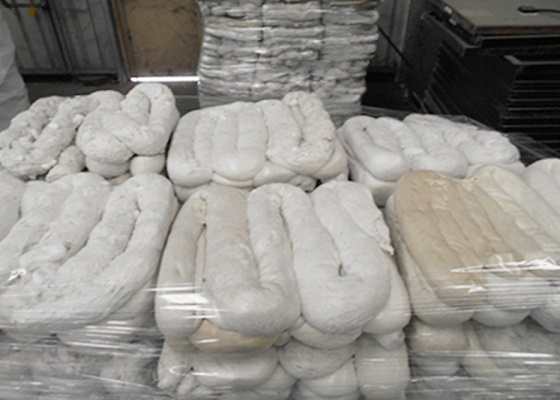
Compared with the change of policy, the change of people’s concept often lags, and waste classification is still a new thing. We cannot do without the corresponding publicity if we want people to develop better habits, especially for the recyclable properties of plastic EPS foam and glass products.