
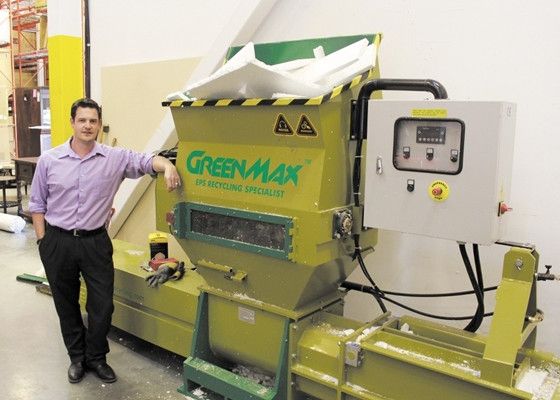
Polystyrene packaging, boxes, and other “low value” difficult to deal with garbage has been plaguing residential community garbage management problems. In the middle of last month, a new renewable resource transfer station in Burlington, Massachusetts, was established to be the new home for this polystyrene trash. Of which a polystyrene compactor compresses the volume of the polystyrene to the original 1/90 is set there, saving space.

Tucksella, the head of the recycling center, said that in the future, a renewable resource transfer station like this will be built in every community in the area. At present, the other eight communities have also completed the site selection work, and the subsequent construction will be gradually completed. In the future, Burlington District will form a three-level recycling system with one delivery point for each residential area, one transfer station for each community, and professional companies entering the terminal sorting center.
This waste transfer station was originally an illegal facility. After many times of communication and rectification, a renewable resources transfer station covering an area of about 700 square meters has been built here. Walking into the transfer station of renewable resources, you can see that the flat ground is divided into different areas by barbed wire. There are signs with blue background and white characters beside each area. More than 10 kinds of renewable resources, such as old furniture, wood, mattresses, clothes, and branches, have their own special storage areas. In addition, a separate sorting center is set up, “The regenerated resources that are collected and transported must be sorted first and then be arranged in a designated area. For example, the waste tape stick to the polystyrene should be removed first.”
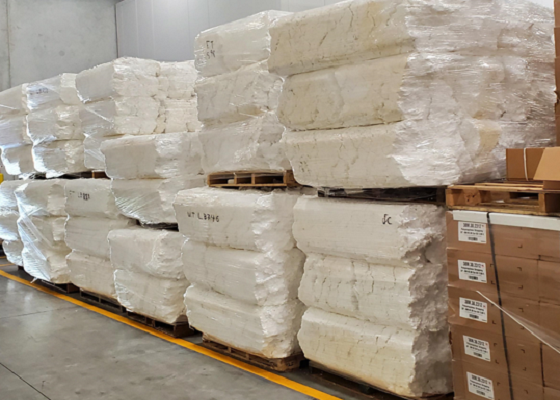
One of the special points of the renewable resource transfer station is that a polystyrene compactor is equipped to achieve the on-site reuse of the polystyrene waste. Polystyrene is called refractory waste because it can not directly incinerate, otherwise, it will produce a lot of toxic and harmful gases. As recyclable, the weight of polystyrene is light and scattered, the cost of collection and transportation is high, and the value of recycling is low. Hope more waste polystyrene find a new home!