
Styrofoam (EPS) is everywhere — from appliance packaging to protective shipping materials. But its low density and bulky nature make it expensive to store and transport, leading many businesses to simply throw it away. Fortunately, Styrofoam densifiers offer a practical solution that can turn this waste into profit.
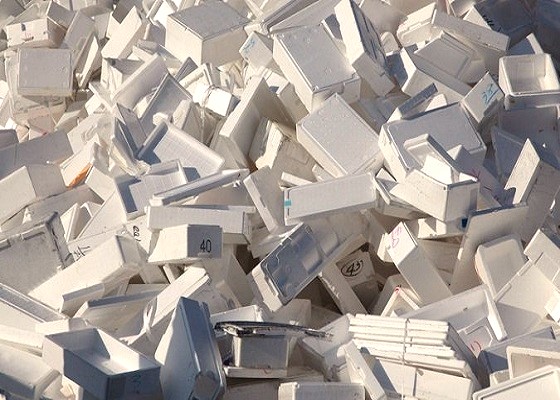
A densifier compresses EPS foam, reducing its volume by up to 90:1. This means large piles of foam can be converted into compact, stackable blocks that are easy and cost-effective to move. For companies handling large amounts of EPS, this drastically lowers transportation and storage costs.
But it doesn’t stop there. Once densified, EPS blocks become a recyclable commodity. They can be sold to recyclers and plastic manufacturers who melt them down and turn them into polystyrene pellets. These pellets are used to make new products like picture frames, insulation, and moldings.
The key to profitability lies in volume and cleanliness. Clean, white packaging foam is in high demand, and businesses generating regular EPS waste can sell compressed blocks rather than pay for disposal — flipping a cost into a revenue stream.
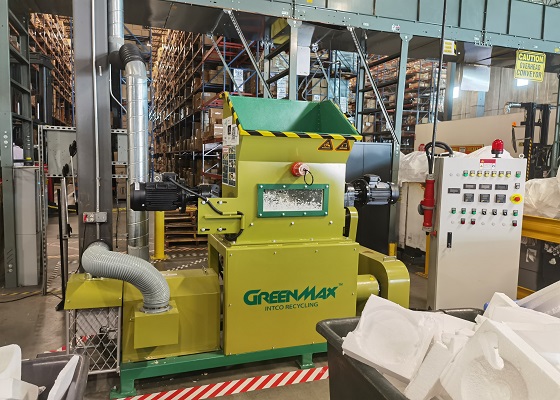
A great example is INTCO Recycling and its GREENMAX Styrofoam densifier. Not only do they provide the equipment, but they also buy back compressed EPS, closing the loop and helping businesses contribute to a circular economy.

Styrofoam densifier absolutely reduces EPS volume enough to make recycling economically viable. For businesses across Europe and beyond, it’s a smart, sustainable investment.