
EPS was invented in the 1950s. EPS products are a new type of advanced heat insulation, sound insulation, and thermal insulation materials. It is light, non-toxic, tasteless, and free of any pollution. The utility is very wide, mainly used in refrigerators, train boxes, ships, old cars, mobile houses, and building insulation: instrumentation, porcelain, glass products, household appliances, and other packaging. In the construction industry, it is the replacement of moisture-proof powder, perlite, asbestos, and other insulation materials, is a very widely used new product, so far there is no kind of products that can be replaced, and the market prospect is very broad.
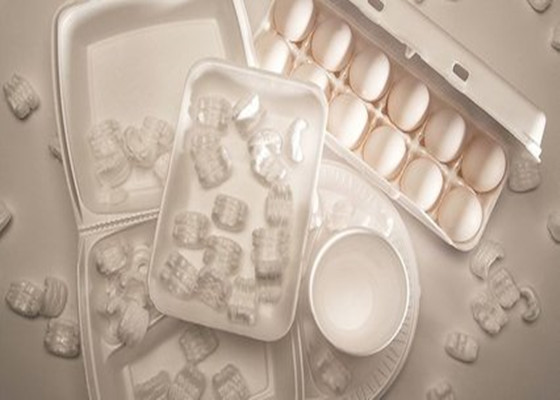
However, the wider application of EPS also brings a series of controversial environmental problems. For example, EPS used to be used as a fast food box by various catering industries. When people need to pack food or choose takeout, EPS containers are generally the first choice. But after use with a throwaway, EPS boxes are everywhere. In addition, with the rise of express, EPS has become the preferred packaging material. The accumulated EPS fills various garbage plants and is blown everywhere. Reports of plastic particles such as EPS particles appearing in animals and even humans have also caused alarm. Should we ban EPS?
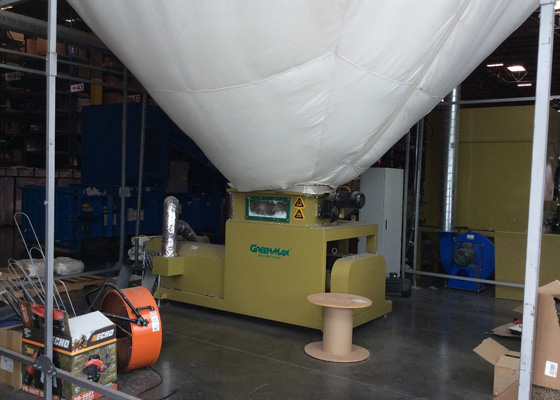
But will banning EPS alone change the current situation? The amount of EPS waste produced every day around the world is very large, indicating that many enterprises still rely on the production and manufacturing of EPS. And the materials used to replace EPS are not agreed upon by everyone. None of us can guarantee that the new alternative materials will be handled well and will not pollute the environment. Instead of a ban, it is better to compromise and choose a flexible way — EPS recycling. EPS can be fully recycled, and although it is not 100% recycled at present, the recycling rate of EPS has been continuously increasing over the years. This is inseparable from EPS densifier. Because EPS needs an EPS densifier to carry out crushing, hot melting, and other processes, and turn EPS waste into EPS ingots.

When many people do not believe that EPS, considered waste, can be recycled, and EPS densifier can prove this point. The manufacturing of EPS densifiers solves the problem of too many EPS producers and applicators so that they do not have to pay high waste disposal fees, and do not have to worry about the pollution. It can be said that EPS densifier greatly promotes the convincing power of EPS recycling.