
In recent days, the IFPA (International Fresh Produce Association) Foodservice Conference Expo is hot. IFPA leads and drives change for its members and the produce and floral industry on the national and global stage. One producer’s innovation has attracted attention: Termotecnica offers EPS packaging, which provides fruit and vegetable retailers with a longer shelf life for fresh products.

EPS is a kind of rigid foam plastic because the weight of EPS is very light, it will not increase the weight in the logistics industry. Secondly, EPS has good thermal insulation performance but also can resist impact, therefore, fruits and vegetables and other agricultural products can be transported by EPS packaging. Maintaining the quality and integrity of products packaged in EPS storage cabinets reduces waste rates and allows longer use of fresh products within the quality standards required by customers.
This EPS packaging is now the preferred shipping packaging for the produce industry. In fact, it’s not just the agricultural industry, but all kinds of products that need to be transported need EPS packaging. Compared with other packaging materials, EPS has a low price and more advantages in collision resistance and weight. In fact, EPS Packaging has been widely available on the market. But this is an innovation for DaColheita. The company has been playing it conservatively, and now embracing EPS packaging is a big step forward.

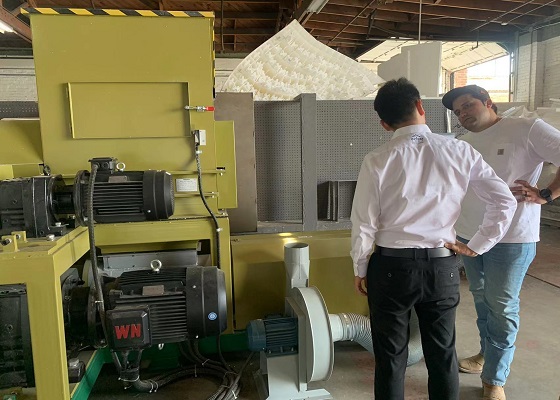
EPS packaging not only plays an indispensable role in the logistics industry, agriculture, fisheries, and other places but can now also be recycled. Many people believe that EPS packaging is a disposable product, but the right way to dispose of EPS packaging can give it a new life. With just an EPS recycling machine, EPS packaging can be compressed into blocks and put into recycled plastic production lines. In view of this, EPS packaging is indeed the most cost-effective packaging product: EPS is cheap, and can also get a profit through EPS recycling.