
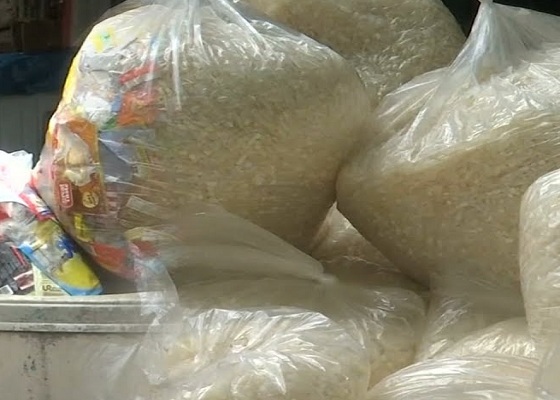
Philippines: Bayanan, a town outside Manila, is tackling the scourge of plastic waste and fighting marine plastic pollution by offering rice to residents in exchange for their trash: 2 kg of plastic waste buys you 1 kg of rice.
Studies have shown that the world’s highest peaks and deepest trenches have traces of plastics, and plastic pollution has become a thing that people around the world are resisting.
The practice in the small town of Bayanan is similar to the EPS bank established in Europe. The form is to exchange valuable plastic for valuable things, but the purpose of the two may not be the same. The town’s approach is to reduce plastic pollution, and EPS banks are essentially for profit.
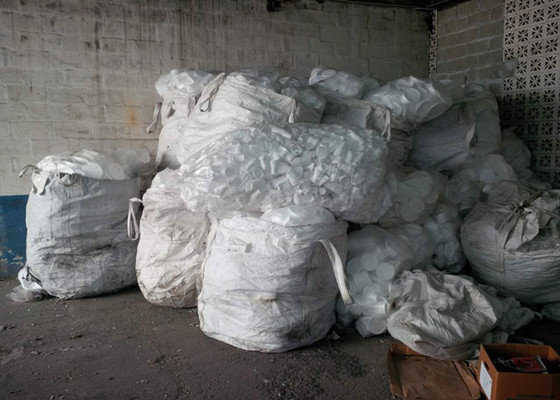
EPS banks are generally established by recyclers in residential areas. EPS is a kind of plastic. This plastic has a characteristic of recyclability and profitability. This has produced a special EPS recycler. EPS bank is a way for them to collect waste plastic.
In this year’s industry research, the potential of the EPS recycling industry is huge, because the recycling cost of EPS recycling has been solved. An INTCO Recycling company in California has developed an EPS recycling machine that reduces recycling costs.
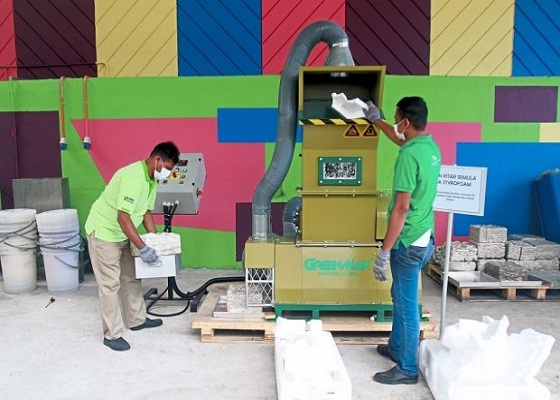
A small EPS densifier M-C50 can compress waste EPS in a 90:1 ratio. In the recycling process, the cost can be significantly reduced in the transportation and storage sectors. At the same time, the recycled EPS ingot produced by the machine can be sold as a commodity to the end market, which is very attractive to recyclers.
No matter which form, recycling profitability will become the temptation for people to take the initiative to recycle. Whether it is rice or money, if you can recycle EPS waste, it will help the natural environment.