
According to a new study, the amount of EPS dumped in the ocean has been increasing and the problem may get worse. Scientists say EPS waste is “one of the major environmental challenges facing this generation” because it is a persistent pollution that can harm wildlife, the ocean, and possibly harm humans.
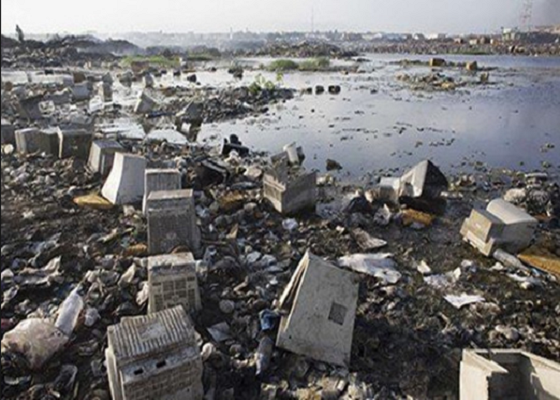
Many stories and researches have focused on micro-plastics, such as EPS products such as bottles, foam fish boxes, and EPE packaging. These EPS wastes are difficult to degrade, but they can be decomposed more and more small, due to ocean currents and ultraviolet radiation. Micro-plastics can be swallowed by fish and shrimp and passed through layers of biological chains to the body. There is currently no clear study to show the results of human body swallowing micro-plastics, but it will not always be good.
As pollution has intensified, public awareness of EPS pollution has increased. Many people now use reusable bags, recycle where possible, and choose to shop with less plastic food or beverages. Personal action can help with EPS, but we don’t want individuals to think they are a problem. What we really want is to let the company choose more plastic-free products or re-use. GREENMAX hopes that the company can pay attention to EPS recycling to protect our marine health and our own health.
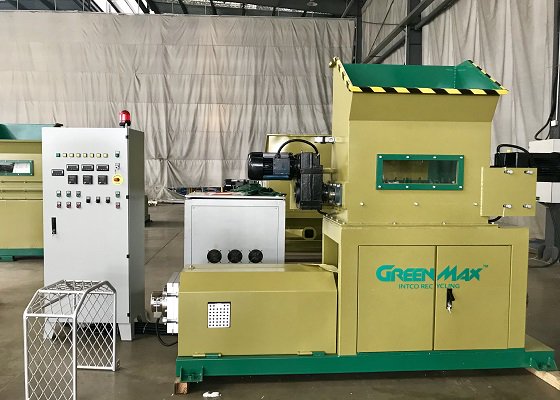
EPS recycling is not a complicated method. It only needs a professional recycling machine, GREENMAX EPS densifier, which can compress waste plastics in a high proportion and compress them into recycled EPS blocks for storage and transportation. Of course, we are not asking the company to spend a sum of money to do environmental public welfare, but to provide new profit opportunities for the company. It is important to know that recycled EPS blocks can be sold. The manufacturing of park benches and frame industries has demand for recycled plastics. GREENMAX also promises to buy back and convert waste into profits, which should be accepted by the company.
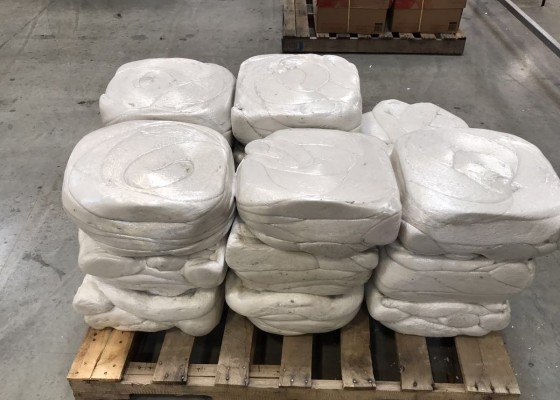
Plastic pollution is a long-term injury and an important issue that needs to be addressed, but the only way to stop it is to put it in the ocean. EPS recycling can help reduce plastics entering the ocean.