
As a professional report predicted, the foam insulation market is anticipated to be the highest growth from 2023. Foam insulation is widely used in the construction industry to insulate buildings and improve energy efficiency. The foam insulation market has been growing steadily over the past few years, and this trend is expected to continue in the coming years.
One of the key factors driving the growth of the foam insulation market is the increasing demand for energy-efficient buildings. Governments around the world are implementing regulations and policies to reduce carbon emissions and promote energy efficiency, which is driving the adoption of foam insulation in the construction industry.
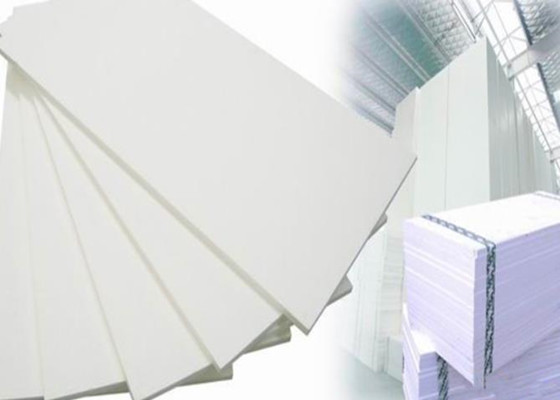
However, there are some challenges that the foam insulation market may face in the coming years. There is growing concern about the environmental impact of foam insulation, particularly the use of blowing agents that can contribute to greenhouse gas emissions. Another environmental concern associated with foam insulation is the disposal of waste materials. When foam insulation products reach the end of their useful life, they must be disposed of. If improperly disposed of, it can lead to significant amounts of waste material in landfills, which can have negative environmental impacts.
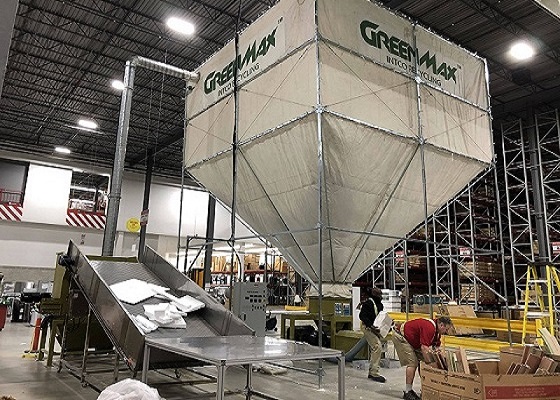
Therefore, how can we deal with the foam insulation?
From the perspective of individuals, it is of great necessity for us to cultivate awareness of recycling. One of the most effective measures is to reduce the energy consumption of homes and buildings by improving insulation and increasing energy efficiency. This can be achieved by using foam insulation products that have a lower global warming potential and by properly disposing of waste materials.
From the perspective of businesses, One of the most important steps is to implement a foam insulation recycling program to collect and recycle waste materials. This program can involve working with a waste management company that specializes in foam insulation recycling or purchasing a foam recycling machine by themselves and then selling the recycled foam to gain profit.
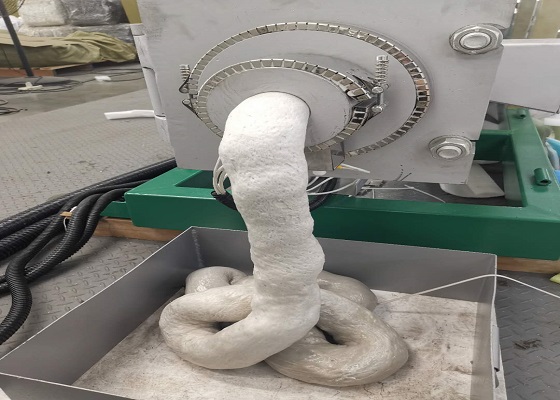
Overall, facing the growing foam insulation market, we still have a lot can do. By taking measures and promoting awareness, we can work together to create a more sustainable future and reduce the negative impact of foam insulation waste. We should all make a conscious effort to take action on foam recycling and make a difference, as every small step counts towards creating a healthier planet.