
We often use foam to camouflage snow, but if there is a lot of plastic in the real snow, we have to be vigilant. Scientists at the Alfred Wegener Inzstitute (AWI) in Germany have published a report that snowfall in the Arctic is found to carry tiny pieces of plastic. The snow collected from the Arctic contains up to 14,400 micro-plastics (0.26 gallons) per liter.
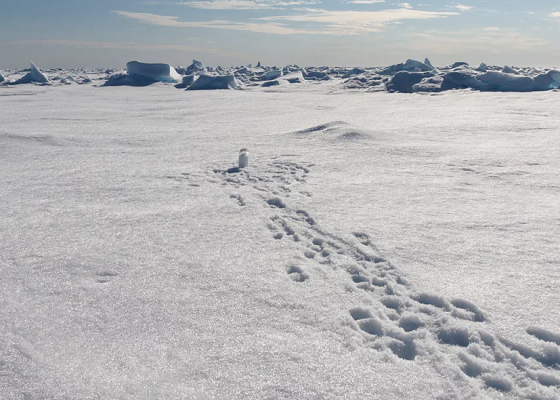
Plastic pollution is currently a global problem that needs to be vigilant. The pollution of Arctic microplastics is also attributed to the fact that humans have been dumping plastic waste into the natural environment for the past ten years, but until today, we still have not been able to find a way to completely degrade plastic. What we can do is to alleviate plastic pollution and reduce plastic waste into the environment.
There are many varieties of plastic, divided into #1 to #7. What we need to know is that plastic #6, also known as foam#6, is completely recyclable. According to the report, the market prospects for foam recycling are huge, so for some professional recyclers in the US, the foam trash is a profitable resource.

Recyclers use a professional foam recycling machine, a GREENMAX foam densifier, when recycling foam. The recycling machine extrudes the air from the foam trash through a screw to produce a high-density recycled foam ingot, which is equivalent to the expansion of the marshmallow into a high-quality marble.
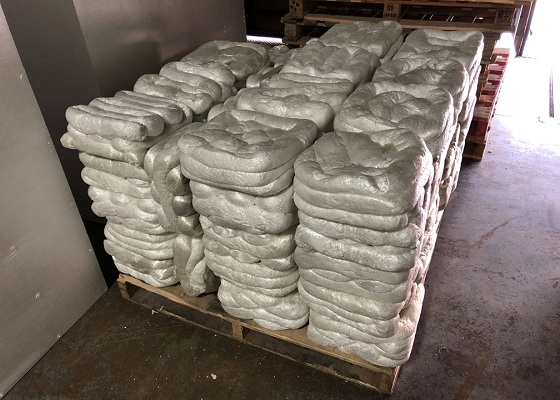
Recyclers rely on these recycled foam ingots, recyclers can choose to sell to GREENMAX machine manufacturers, they promise to recycle recycled foam ingot, or they can choose to sell their own terminal market.
The pollution of plastic waste has spread around the world, and it is time for us to pay attention to foam recycling.