
Yesterday, the New York Supreme Court overturned the decision of the sanitation bureau director Garcia Kathryn to ban foam in the food and beverage service industry , in New York City, the implementation of 100% polystyrene foam product recycling projects cleared the way, will be the city’s revenue.
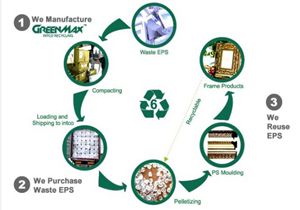
“This decision is a victory for both the environment and the city of New York, and New York will become a leader in recycling EPS from the waste stream and create benefits in the process,” said Jackson Robert, a former member of the City Council. He is a leader in the proceedings. “The ruling has put an end to debate on the recovery of PS, which clearly shows that the material can be recycled and there is market demand. Now, the New York city can start the operation.”
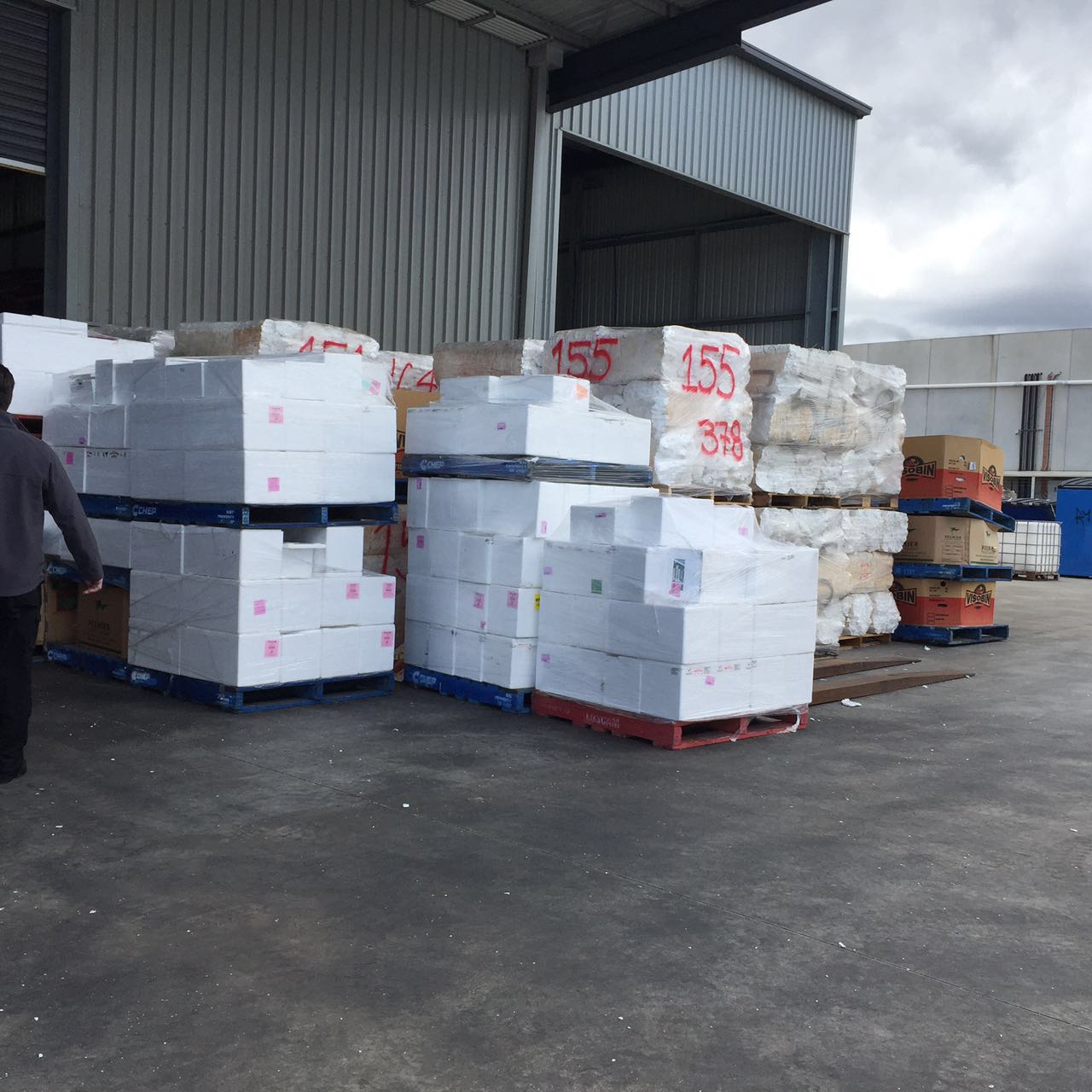
Container Michael, Westerfield Dart, said: “we are willing to pay per cent of the cost of recycling, to ensure that the city can sell the product to be sold. This is the victory of the environment, but also the victory of recycling. We are eager to cooperate with the city as soon as possible to start the Styrofoam recycling project.”
In 2014, the New York City Council authorized the Council determined the food and beverage service industry foam products can be recycled, how to achieve the economic viability and the environment, otherwise the foam will be disabled. At the beginning of the year, Baisi Hao city government announced that they will support the ban, despite substantial evidence shows that EPS can be safe and economic recycling.
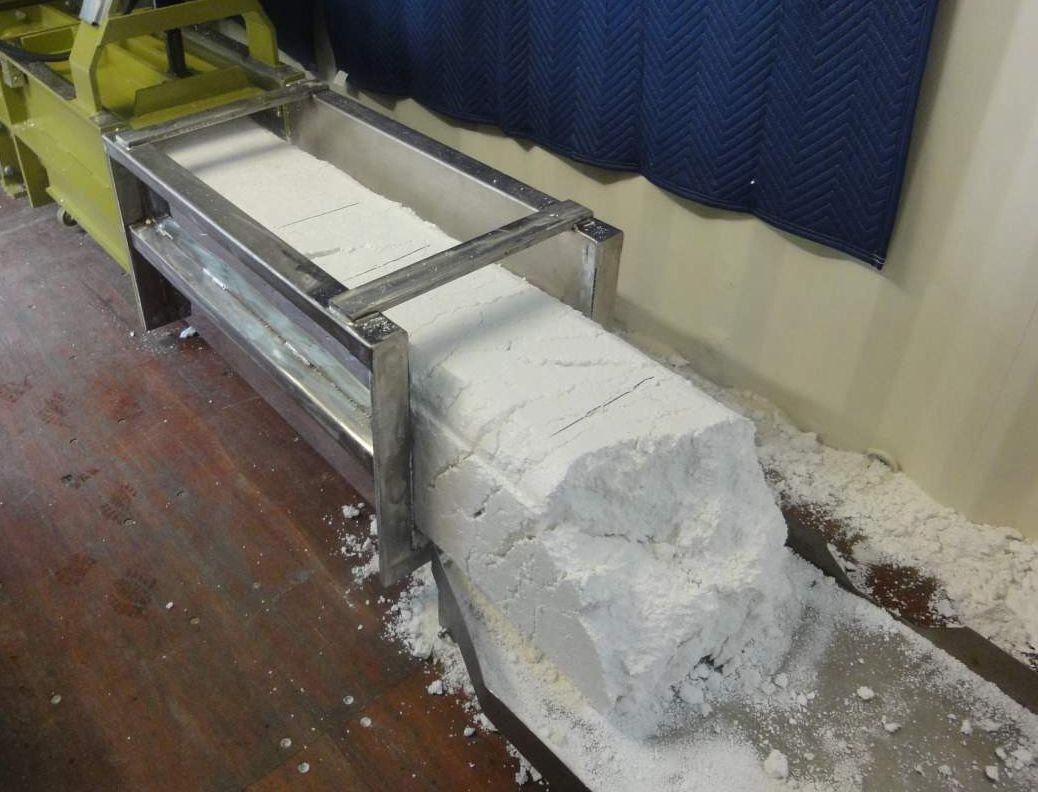
Margaret Chan, the judge’s ruling completely overturned the ban that clearly identifies the EPS can be recycled, an indisputable answers is’ yes, ‘disposable EPS containers can be recycled. ” The ruling requires the New York municipal sanitation bureau to further consider the position of the ban, allowing the city EPS recycling, and promote the recovery process of hard EPS.
“We are very pleased that the judges can make such a decision, and look forward to working with the city to implement comprehensive recycling programs, reduce the city’s waste flow, and to generate revenue for the city.” Mastro Randy, partner of Dunn Gibson, said.