
With more than 800 tons of polystyrene waste piling up on New Zealand farms each year. Farmers often use landfills or incineration to dispose of plastic waste. Obviously, this is very unfavorable to the environment.
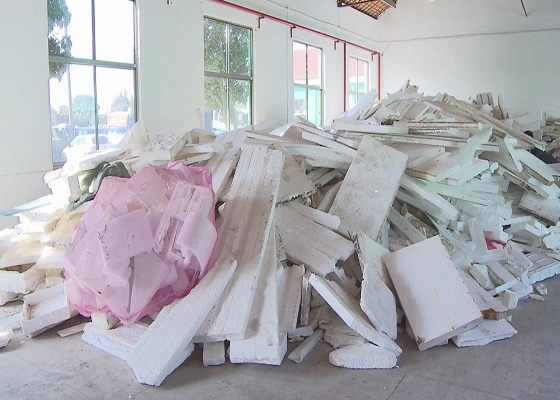
The study found that polystrene is not suitable for burial, because it is difficult to degrade, it can only be decomposed, and it is easier to spread after decomposition, resulting in more serious pollution. Polystyrene is also not suitable for incineration. Incineration produces a substance called dioxin. It is known that the greatest harm of this substance is irreversible “triad” toxicity, teratogenic, carcinogenic and mutagenic.
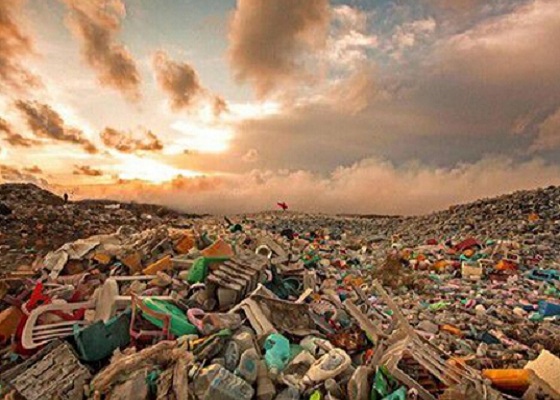
Environmentally conscious farmers are looking for more environmentally friendly and cost-effective treatment than landfills or incineration. They decided to start implementing polystyrene recycling programs. Polystyrene is 100% recyclable. Polystyrene recycling programs have great appeal to farmers who believe that “farms are a work environment and they need to be kept clean and tidy”.
The well-known recycling machine in the industry is GREENMAX polystyrene densifier , which can ensure the timely and effective treatment of foam polystyrene waste on the farm. And no longer waste land and produce hazardous gas due to landfill or incineration of polystyrene.
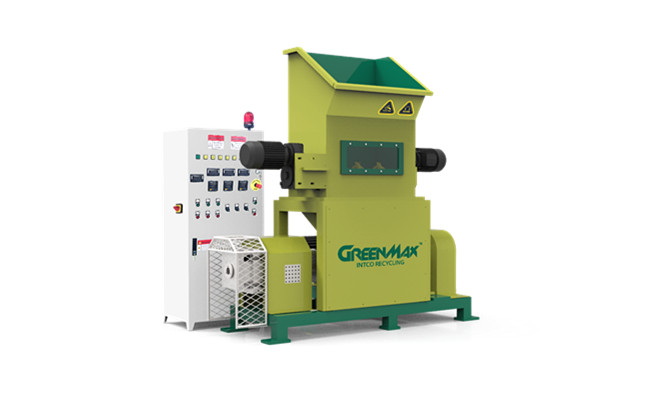
Recycling used polystyrene through the GREENMAX polystyrene densifier, the polystyrene waste is pulverized into pieces, which are then melted by hot air and finally extruded into dense ingots. It’s higher quality than other machines on the market and can achieve a compression ratio of 90:1 and the production capacity is up to 300kg per hour. And recycled polystyrene materials can be good raw materials for making other new products, such as photo frames, decorative molding, etc.
New Zealand farm recycling programs have proven that polystyrene is a valuable packaging material that can be well recycled and has a second life.