
It seems that the opposition to EPS ban is growing in recent years. As EPS products bring so much convenience to our daily life, it is not surprising that the ban is opposed.
The American Chemistry Council (ACC) and its allies announced today the launch of a new coalition website to raise awareness of the negative impact of New York City’s ban on EPS foam food containers and to encourage city leaders to switch to exploring the ways for EPS recycling.
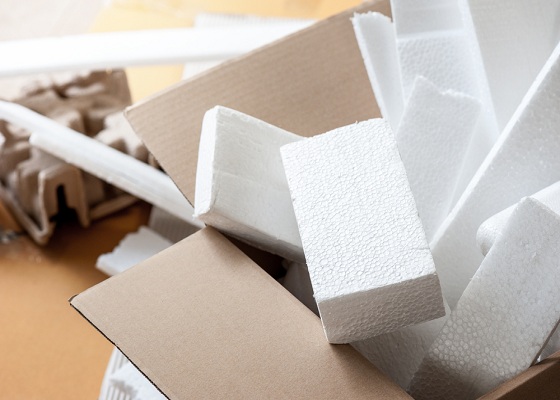
“To ban EPS products is not the best answer,” said Elizabeth Sandigo, owner of Grand Bakery in Williamsburg. “We use these products because they are really useful and economical. In addition, the cost of alternatives is much higher. Now we are still lack of mature waste treatment technology,so EPS is not a good idea.
The UN report says the ban is the most effective way to prevent waste foam pollution. However, a new report from the Independent College is questioning the effectiveness of this popular view.
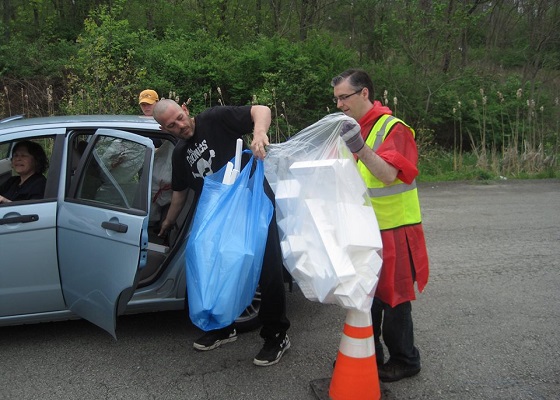
In fact, half of California’s major cities recycle EPS waste, but only 15% of businesses choose to recycle its alternatives. We can’t predict whether new alternatives recycling will bring profit without the technology being mature.
Considering that 95%-98% of EPS is air, the increasing volumes and percentages of EPS recycling are astonishing. Commonly, EPS waste needs to be compressed before recycling.
GREENMAX EPS compactor is specially designed for foam volume reduction. The total compression ratio of such machine reaches 50:1, which helps the recycler save storage space for fifty times. What’s more, the compacted EPS blocks are also easier to transport.
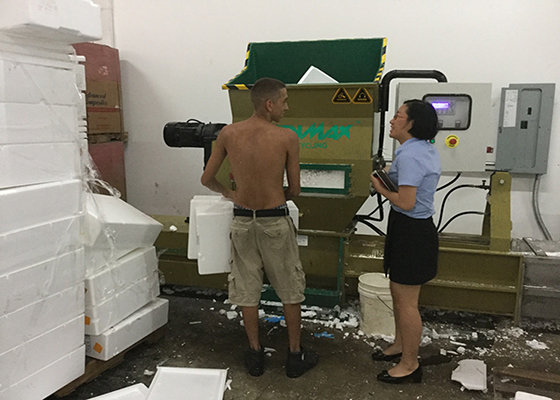
Recycling can well alleviate the problem of whether to prohibit the EPS products. We also believe that recycling EPS waste to make new products can achieve the effective use of EPS.