
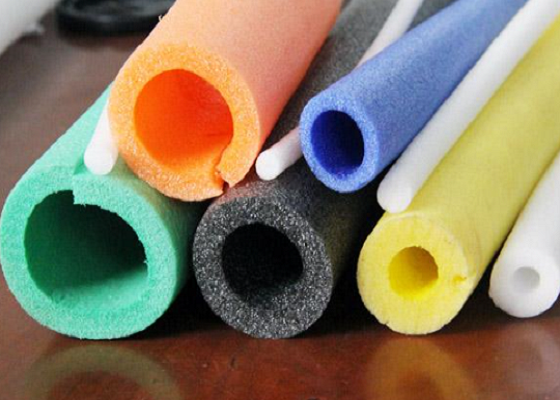
Polyethylene (PE) foam, also known as expanded polyethylene (EPE) foam, is a lightweight, durable and versatile material that is widely used in packaging, insulation, cushioning, and other applications. However, like most plastic materials, PE foam has a significant impact on the environment when it is not properly disposed of. Fortunately, recycling is a viable option for reducing the amount of waste generated by PE foam.
PE foam recycling involves converting used foam products into new materials or products that can be used again. The process typically involves collection, sorting, cleaning, and shredding of the foam products, followed by melting, extrusion or compression to create new products. Depending on the recycling technology used, the recycled foam can be used to make a wide range of products, including new foam products, construction materials, and consumer goods.
One of the most significant benefits of recycling PE foam is reducing the amount of waste that ends up in landfills or pollutes the environment. PE foam can take hundreds of years to decompose, and when it breaks down, it releases harmful chemicals and microplastics into the soil and water. Recycling also conserves natural resources, reduces greenhouse gas emissions, and saves energy compared to producing new foam products from raw materials.

There are several ways to recycle PE foam, including mechanical recycling, chemical recycling, and thermal recycling. Mechanical recycling involves breaking down the foam into smaller pieces, cleaning them, and then using them to make new foam products. Chemical recycling uses solvents or other chemicals to dissolve the foam and create new materials. Thermal recycling involves melting the foam and using it as a feedstock for the production of new products.
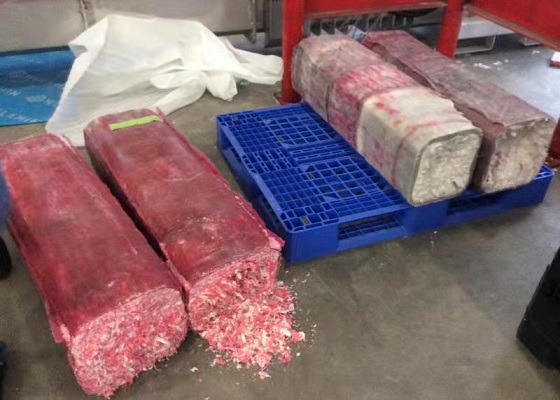
One of the challenges of recycling PE foam is its low density, which makes it difficult and expensive to transport and process. However, advancements in technology have made it possible to recycle even low-density foam more efficiently. For example, some recycling companies have developed compacting machines that can compress the foam to reduce its volume by up to 90%, making it easier and cheaper to transport and recycle.
To promote the recycling of PE foam, it is essential to educate consumers, businesses, and local governments about the benefits of recycling and the best practices for collection and disposal. Some municipalities have established recycling programs that collect PE foam along with other plastic materials, while some businesses have started implementing closed-loop systems that recycle their own foam waste.
In conclusion, PE foam recycling is a crucial step in reducing the environmental impact of plastic waste. By diverting used foam products from landfills and reusing them to make new materials, we can conserve resources, reduce greenhouse gas emissions, and create a more sustainable future. As consumers and businesses, we all have a role to play in promoting and supporting the recycling of PE foam and other plastic materials.