
To ban foam products, there remain 3 main reasons: First, the foam containers used to keep food warm also leach chemicals when they come into contact with hot food. Second, Foam cups and clamps create mountains of waste. Third, Foam containers account for a large part of roadside waste. So, the United States has announced the banning of foam in most states, however, a recently passed state measure has changed the foam situation in Fayetteville, North Carolina.
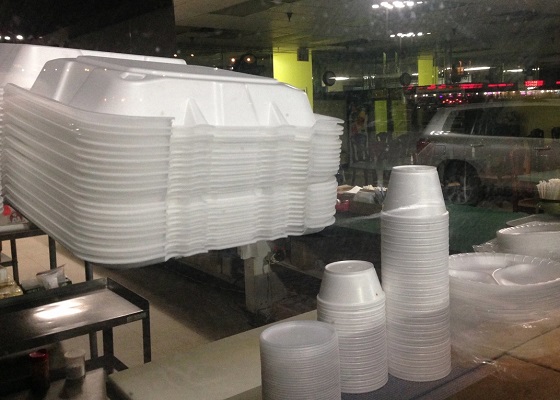
Back in 2019, the city decided to stop using city funds to buy foam products. In 2020, the city’s law required food packagers to stop offering foam containers, bowls, cups, and other items. The ban was going well, but the outbreak of pandemics may mean that Fayetteville’s new foam container ban cannot continue. The pandemic influences transportation, producing a new substitute of foam. So, Mayor Lionel Jordan decided he would offer businesses that need more time to comply with the law a grace period on the foam ban, which could even be extended until the end of 2022.
This decision has generated a wide argument about foam container waste. After all, the discussion of whether it’s right to ban foam production has always been a hot topic. In my view, dwelling on current policy won’t change anything about the current foam situation. Instead, this time is such a superexcellent chance to deal with waste foam production in foam recycling. People always insist on their own view that foam container waste can’t be well recycled. Previously, foam recycling machines could only recycle clean foam containers, and there was no good way to deal with used foam containers. So, a lot of foam still ends up in landfills and incinerates. In the past, I would have supported this view that foam is hard to recycle, but now advances in technology have opened up new possibilities.
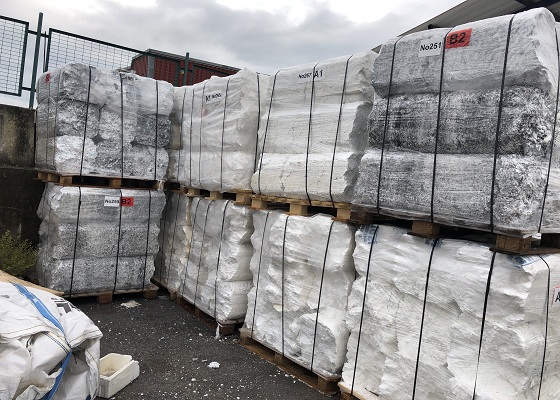
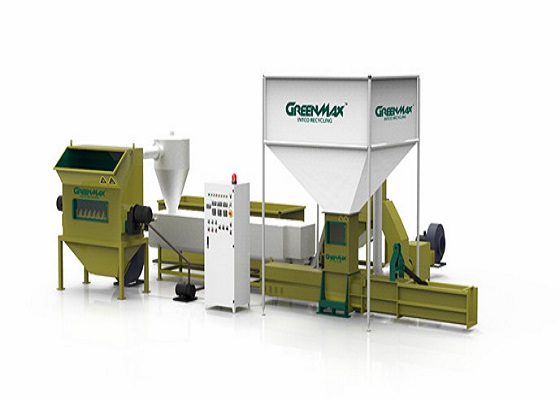
INTCO Recycling has designed a GREENMAX foam Compactor APOLO SWD system, which is specially used to recycle contaminated foam waste. Once the waste foam container is thrown into the system, it will be cut into small pieces then washed and dried. The end form of waste foam is foam block, which is convenient to reprocess into other products. Now INTCO Recycling has sold the GREENMAX SWD System to Italy and America. This shows that INTCO Recycling is reliable in foam container recycling. It may take more attempts to figure out what is the best way to dispose of waste foam containers. The ban might make the bad effects of foam disappear, but who’s to say that new alternative materials won’t make us repeat those mistakes? It wasn’t the foam material that was wrong, it was the people’s wrong action in dealing with waste foam.