
Expanded Polyethylene (EPE) foam is widely used in packaging, cushioning materials, and various industrial applications due to its lightweight, flexible, and shock-absorbing properties. However, recycling EPE foam presents unique challenges and requires specialized handling. Understanding the key aspects of EPE foam recycling can help improve efficiency and sustainability in waste management.
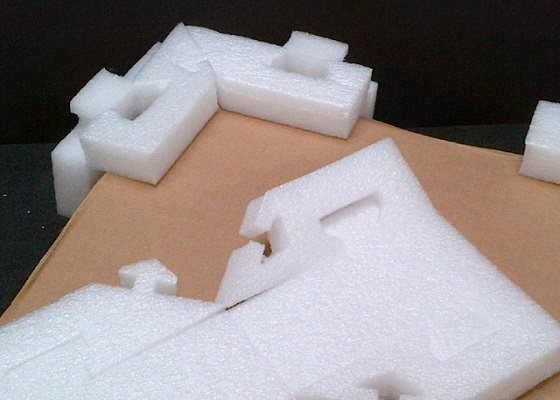
- Consulting Local Recycling Centers
EPE foam recycling methods vary by location due to differences in recycling facilities and regulations. Before disposing of or recycling EPE foam, it is advisable to contact local recycling centers or waste management authorities.
- Compaction for Efficient Handling
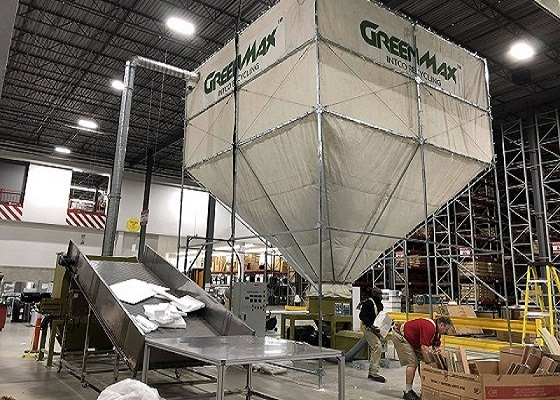
EPE foam is bulky and lightweight, making transportation and storage inefficient without proper compaction. A foam compactor is essential for reducing the volume of EPE foam before recycling.
- Granulation and Repurposing
After compaction, the next step in EPE foam recycling is granulation. Compressed foam ingots are shredded into smaller particles. The particles undergo a melting and extrusion process to form recycled plastic pellets. These recycled pellets can then be used to manufacture new products such as packaging materials, insulation, automotive parts, and household goods.
Different types of recycling equipment are required for processing EPE foam. Since EPE has a lower density compared to other foams, specialized machines are necessary. The GREENMAX foam densifier is an excellent solution for recycling EPE, EPP, EPS, XPS, and other foam materials.
EPE foam recycling is an effective way to reduce waste and promote sustainability. By following best practices such as proper sorting, cleaning, compaction, and granulation, businesses and individuals can maximize the efficiency of EPE foam recycling.