
When it comes to “sustainable development”, what is the first thing that comes to people’s minds? There are many answers but by no means the EPS industry. Over the years, the EPS industry has been firmly labeled “disposable”. Today, when sustainable development is the watchword put forth by all entrepreneurs and governments, the EPS industry is left out. But this “one-off” label should be removed because EPS densifier can bring some new breakthroughs to the EPS industry.
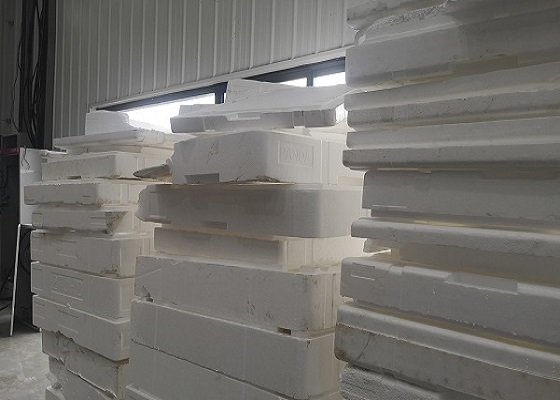
For EPS manufacturers and middlemen, EPS waste is really difficult to deal with, which is a headache. Because EPS usually produces a lot of corner waste during the production and cutting process, these wastes occupy most of the warehouse area and seriously affect the normal operation of the factory. Whether it’s shipping EPS to a landfill or selling it to a recycler, high shipping costs can be prohibitive.
Yes, you read that right, EPS is actually recyclable. But the EPS recycling process has many problems to overcome. For example, shipping, spending, collecting, and more. It is not so difficult to collect EPS waste. As long as the government and organizations promote EPS recycling and organize related activities, most people still prefer to send EPS to a fixed recycling station or for community recycling. After all, EPS waste has already caused a great impact on our living environment. But shipping and spending are really big issues.
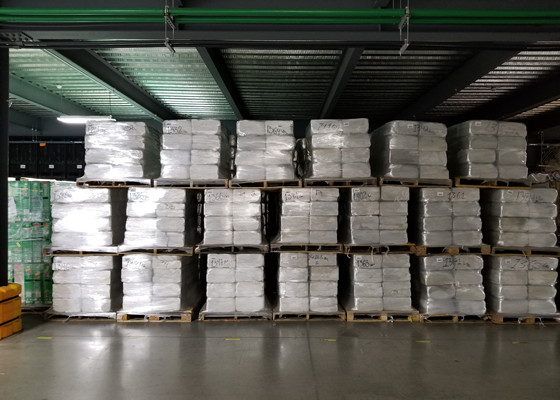
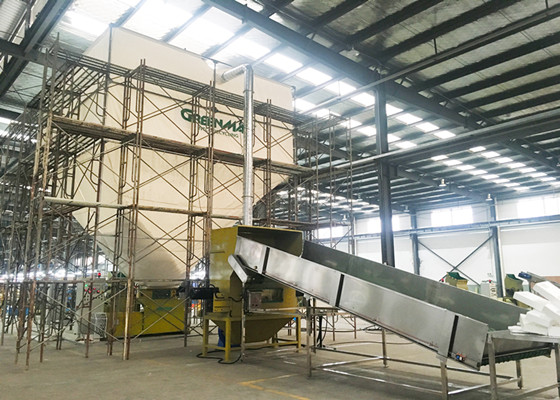
So, how does the EPS industry transport loose EPS? We might as well preprocess EPS waste, which requires an EPS densifier. EPS densifier can process EPS into ingots through hot melt technology. This process can greatly reduce the volume of EPS. Then sell EPS ingots to professional recyclers such as EPS Recycling. INTCO Recycling can recycle these processed EPS ingots, and also provide GREENMAX EPS densifier to troubled customers. With EPS densifier, sustainable development can truly become a label that the EPS industry can also display.