
In August 28, 2017, Zion Market Research has published a new report regarding Polystyrene (PS) & Expandable Polystyrene (EPS) Market in Global Industry during 2014 – 2020.
According to the report, global demand for polystyrene and expanded Polystyrene (EPS) was valued at USD 32 billion in 2014 and is expected to reach USD 42 billion in 2020, growing at a CAGR of approximately 4.5% between 2015 and 2020.
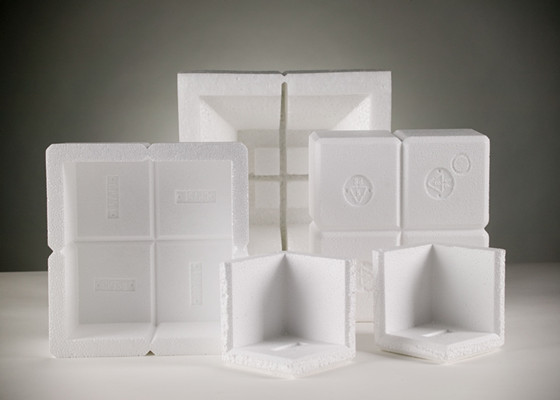
However, the EPS is almost difficult to degrade, which becomes one of the resistance targets of many environmentalist. The government of Washington, DC once issued a new regulation to prohibit the use of disposable polystyrene lunch boxes and beverage bottles in all restaurants and grocery shops. Such regulation is practiced to protect the environment and maintain sustainable development in the region.
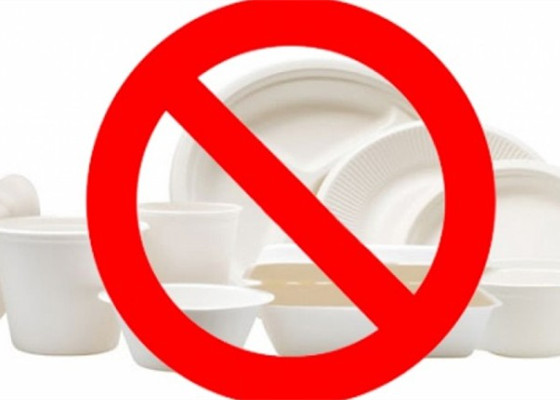
Though the prohibition works in deed, yet not all environmentally harmful substances should be banned, especially polystyrene, as the prohibition would result in a lot of waste of resources, and even not beneficial to industrial and economic development. On the contrary, we should seek more optimized solutions, such as EPS recycling.
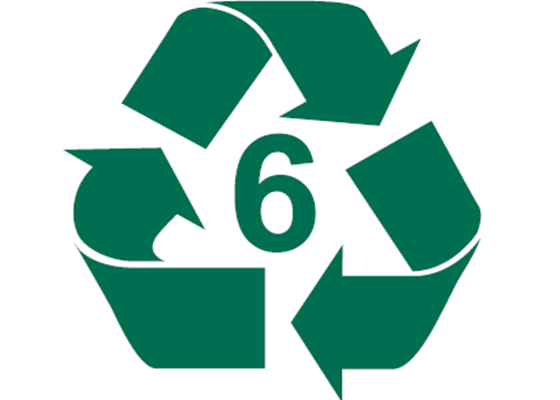
As to the recycling methods, people may meet several problems to recycle EPS because of its large volume and light weight, and it’s not always clean enough. Therefore, the first step for recycling is to reduce the foam volume. After compressing or melting the polystyrene foam, it will be easier to store and transport. All of the above mentioned process can be realized by GREENMAX from INTCO recycling, which is specialized in foam recycling for nearly 15 years.
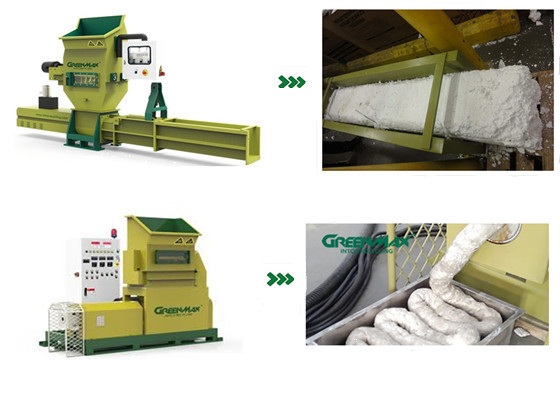
EPS recycling is becoming more and more important, especially among the plastic recycling. Nowadays, the price of the recycled foam is quite competitive that it attracts many people to join in the EPS recycling industry, and people are gradually aware of that EPS recycling turns out to be a better solution instead of prohibition.