
Polystyrene is a type of plastic manufactured from non-renewable fossil fuels and synthetic chemicals. It normally comes in the form of Expanded Polystyrene foam (EPS), which is the stuff that’s made into cups, plates, take-out food containers, and packing materials. Nowadays, EPS recycling is more and more catching people’s eyes.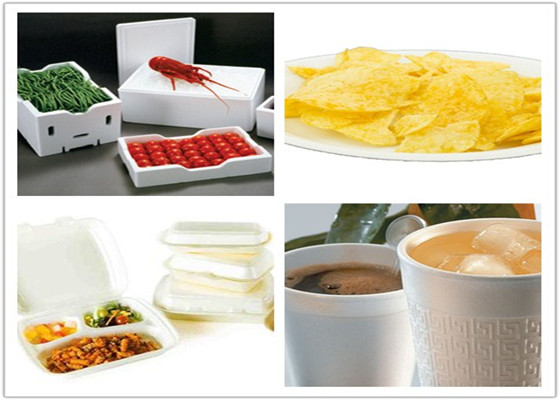
According to the book, My Plastic-Free Life, author Beth Terry explains how producing and using plastic pollutes the air. When it comes to the foamy EPS in particular, here are some other objections to using it according to Terry:
It does not biodegrade. It may break into small pieces, even minuscule pieces. But the smaller EPS gets, the harder it is to clean up.
It is made of fossil fuels and synthetic chemicals. Those chemicals may leach if they come in contact with hot, greasy or acidic food. Yes, they keep your coffee hot – but they may also add an unwanted dose of toxins to your drink.
Animals sometimes eat it. Turtles and fish seem to mistake EPS for food, and that can kill them. Not only can they not digest it, but the foam could be full of poisons that it has absorbed from contaminants floating in the water.
It isn’t easy to recycle. Some commercial mailing houses may accept packing peanuts, but for the most part community recycling centers do not accept throwaway foam food containers.
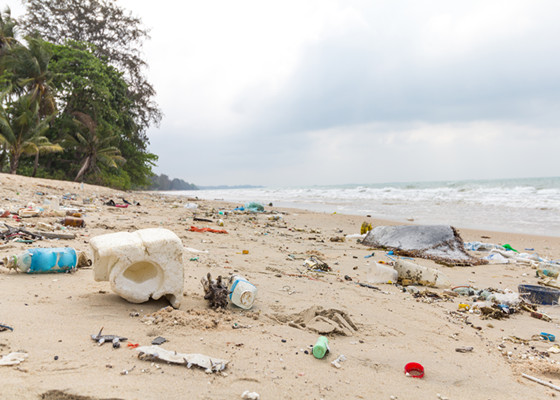
Most EPS products are currently not recycled due to the lack of incentive to invest in the compactors and logistical systems required. Due to the low density of EPS foam, it is not economical to collect. But, if the waste goes through an initial compaction process, it becomes denser. In England this process is used and the EPS is recycled into clothes hangers, park benches, flower pots, toys, rulers, stapler bodies, seedling containers, picture frames, and architectural molding.
Some communities have banned all products containing EPS including packaging “popcorn” and all containers besides just the “to-go” meal boxes.
The banning, can be barely counted as a solution, however, how to finish the foam recycling without sacrificing people’s benefits is an important question that all of us need to think about.