
Polystyrene, a widely used plastic known for its lightweight and insulating properties, can be effectively recycled through mechanical recycling processes. These techniques have opened possibilities for more efficient and sustainable polystyrene recycling.
Polystyrene foam can contribute to pollution by causing air pollution through incineration, water pollution through the release of foam particles, microplastic pollution as it decomposes into small particles, land pollution through improper disposal, and visual pollution through littering. That is why polystyrene should be recycled.
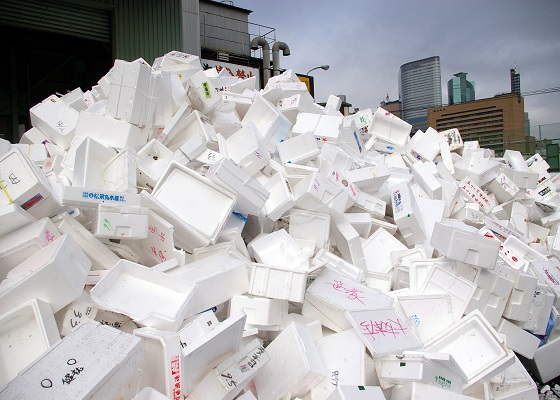
Mechanical recycling of polystyrene involves several key steps. First, the collected polystyrene waste is sorted and cleaned to ensure the quality of the recycled material. The cleaned polystyrene waste is then shredded into small pieces for further processing. Next, the shredded polystyrene undergoes a process called extrusion, where it is melted and formed into a polystyrene block or ingot. This step transforms the polystyrene waste into a form suitable for reuse in various applications.

Mechanical recycling retains the intrinsic properties of polystyrene, making it versatile for use in a wide range of products. Recycled polystyrene can be utilized in the manufacturing of insulation materials, packaging, disposable cutlery, and even picture frames. Creating market demand for recycled polystyrene is essential for establishing a sustainable and viable recycling industry. Increased awareness about the benefits of using recycled polystyrene, along with government support and procurement policies favoring recycled materials, can help drive the demand for recycled polystyrene products.

In conclusion, mechanical recycling provides a promising solution for the effective recycling of polystyrene. Through mechanical recycling, polystyrene waste can be transformed into high-quality recycled material suitable for various applications. INTCO has been working hard in the polystyrene recycling field for many years. By addressing challenges and promoting the use of recycled polystyrene, INTCO can contribute to a more sustainable and circular economy.