
In the ever-growing concern for our oceans’ health, the issue of marine pollution caused by foam boxes has come to the forefront. As these boxes are widely used in fisheries for the storage and transportation of fish and seafood, finding sustainable solutions becomes paramount. Thankfully, fisheries are now taking proactive measures to address this challenge and minimize their environmental impact. One promising approach is mechanical recycling, a process that offers a glimmer of hope in the fight against marine pollution. By adopting responsible waste management practices, engaging in recycling initiatives, and raising awareness among stakeholders, fisheries can play a pivotal role in preserving our marine ecosystems.
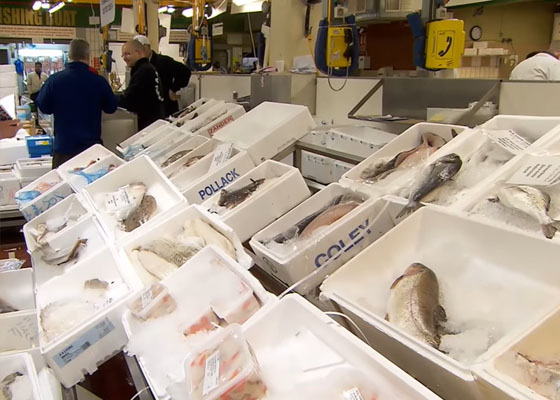
Let us delve into the steps fisheries can take to promote mechanical recycling and curb marine pollution stemming from foam boxes. Within fisheries, a shift towards responsible practices begins with establishing a systematic collection system for foam boxes. By ensuring proper sorting and segregation, fisheries can facilitate efficient recycling, keeping foam boxes separate from other waste streams.
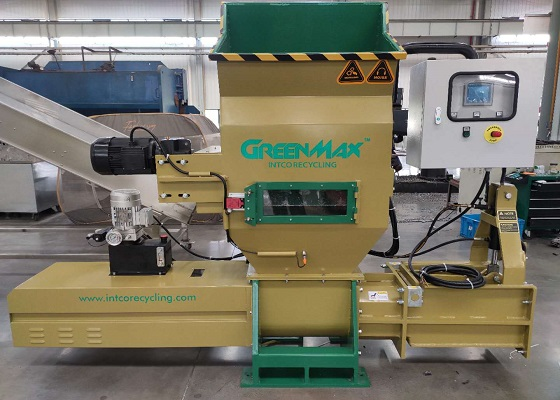
Before the recycling process begins, foam boxes undergo a cleaning and preparation stage. This step ensures that any contaminants are removed, and the boxes are thoroughly rinsed and dried. Through this meticulous process, the quality of the recycled material is elevated.
With the foam boxes cleaned and prepped, they undergo a transformative journey. Specialized recycling equipment shreds or granulates the foam, creating smaller pieces that are easier to process. These fragments then proceed to densification or melting, where they are either compressed under high pressure to reduce volume.
Through extrusion or molding, the recycled foam material takes on new forms and shapes. Extrusion pushes the molten foam through a die, crafting continuous shapes like sheets. Alternatively, molding utilizes specialized molds to create blocks, pellets, or other desired forms, ready for reuse.

The recycled foam products, now reborn with a new purpose, find their way into industries that can give them a second life. They become raw materials for insulation, packaging products, or even new foam boxes. By supporting foam recycling and utilizing recycled materials, fisheries contribute to reducing the demand for virgin resources and promote a more sustainable future.