
EPS recycling has gone through a lot of difficulties in recent years, although it has been made a slight improvement in recent years, EPS recycling is still our long-term responsibility.
EPS has wide applications in our daily life, but the recycling rate is low. The main reason for the low recycling rate is simple economics. About 95 percent of air, EPS is very light and thus very expensive to transport. Further eroding their value is that the material is often contaminated with food or dirt.

For local governments, the cost of removing the food service EPS from a mixture of recyclable items collected by the roadside is high because foam is isolated-and may split into small pieces. In order to maximize the value of EPS products, a separate and collection system would be required and it would also need to be densified to reduce the volume for easier transportation. So it needs fund to buy EPS densifier to realize more efficient EPS recycling process.
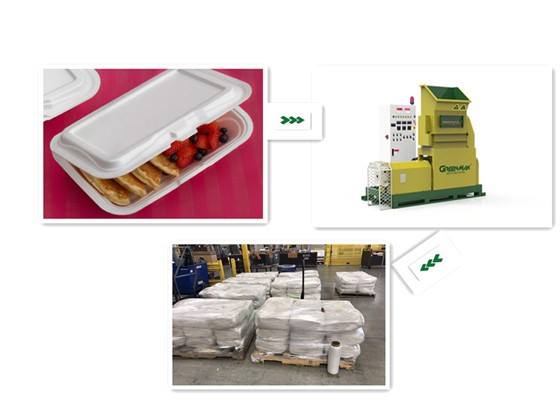
The lack of economically viable recycling means that for most local communities, all discarded EPS must be landfill or burned. For example, Los Angeles County and Ontario, Canada, estimate their EPS food service recycling rates at about 1%.
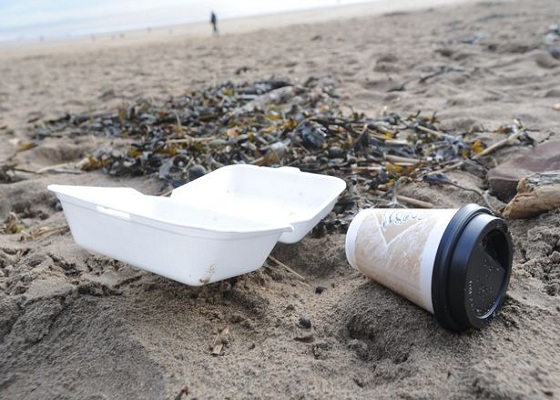
EPS can also be a source of litter due to the properties that make it a valuable insulating product – it’s lightweight and composed mostly of air. The material can easily move from land to ocean. Its persistence coupled with its buoyancy means it is a significant cause of marine litter.
As there are still so many problems for EPS disposal. We are supposed to regard EPS recycling as our long-term responsibility.